
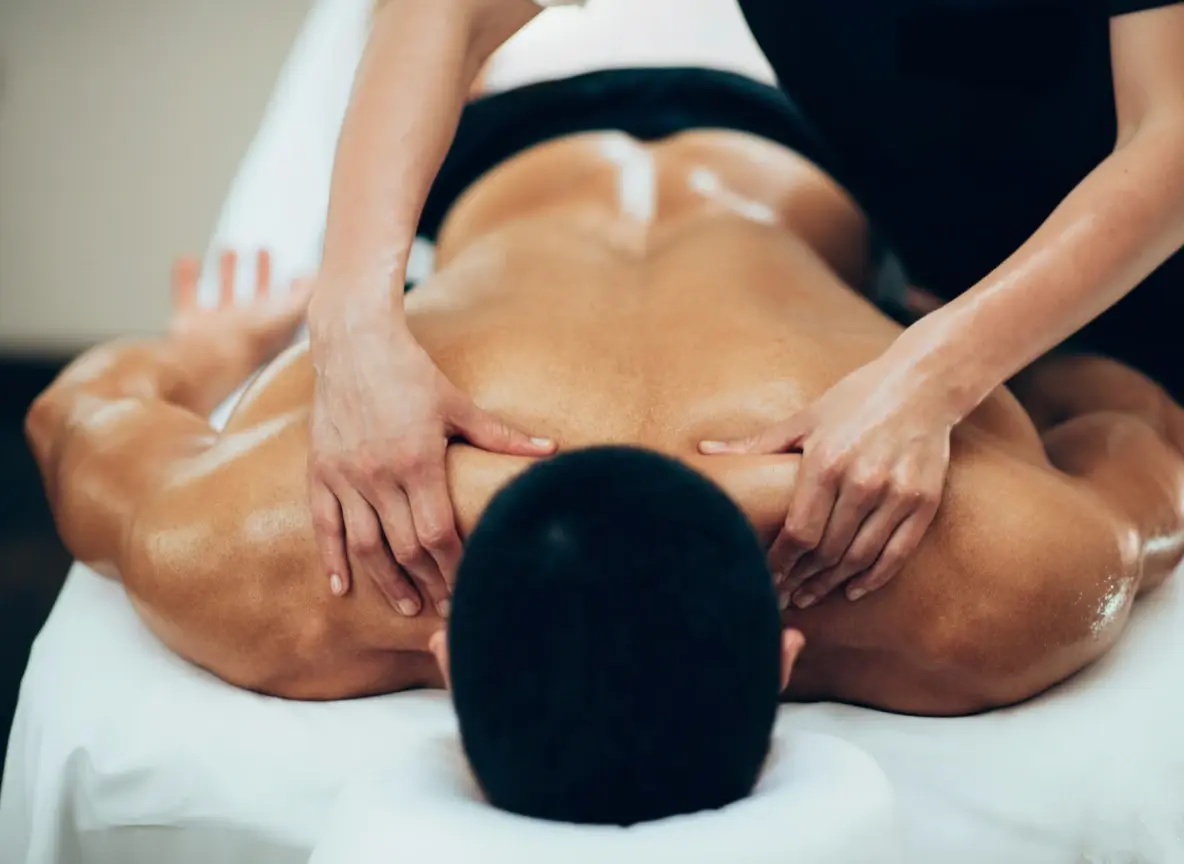
What Is A Sports Massage? Benefits, Techniques & When You Need One
Quick Answer: Sports massage is a targeted soft tissue therapy that optimises athletic performance and recovery through specific techniques including trigger point release, myofascial work, and PNF stretching. Unlike relaxation massage, it focuses on functional improvement for anyone engaged in physical activity.
Article Summary
- Read Time: 12 minutes
- Key Takeaway: Sports massage can improve flexibility, reduce perceived muscle soreness, and support recovery between training sessions
- Who It’s For: Athletes, runners, gym-goers, office workers, anyone with muscle tension
- Cost Range: £25–120 per session in the UK
- Booking Tip: Schedule on rest days; avoid deep work 48 hours before competition
What Is Sports Massage?
Quick Definition:
Sports massage is a specialised form of soft tissue manipulation that targets muscles, tendons, ligaments and fascia to optimise physical performance and recovery in active individuals.
Key Characteristics of Sports Massage
- Performance-focused – improves athletic function, not just relaxation
- Sport-specific – tailored to your activity (running, cycling, weightlifting, etc.)
- Evidence-based – recognised by NHS and professional sports organisations
- Functional outcomes – improved movement quality and recovery
- Preventative approach – regular treatment may help identify issues early
Professional Context
As a team of qualified, experienced massage therapists, we’ve all witnessed how sports massage transforms training outcomes. From parkrun beginners to international athletes, the right soft tissue work can make the difference between constant niggles and consistent progress.
“People often assume that sports massage is only for athletes or serious gym-goers, but a big chunk of my clients are people who just work at a desk all day. Tight hips, stiff backs and tension headaches are just as common as running niggles – and targeted soft tissue work makes a huge difference.”
Key Sports Massage Benefits at a Glance
What Research Shows
Evidence-Based Benefits:
- Flexibility – temporary improvements in range of motion*
- Perceived recovery – many athletes report feeling better recovered
- Muscle soreness – may reduce perception of DOMS in some individuals
- Psychological benefits – improved readiness and confidence
- Early problem detection – therapists can identify tissue changes
*Note: Individual results vary significantly. Benefits depend on technique, timing, and personal response.
Recovery Support
What Studies Suggest:
- Some reduction in perceived muscle soreness (varies by individual)
- Improved subjective recovery between sessions
- Enhanced psychological readiness for training
- Better perceived tissue quality
- May support return to training after hard sessions
Research often shows mixed results, with benefits being primarily subjective, and tricky to measure objectively (Poppendieck et al., 2016).
For guidance on how regularly to book sessions based on your training level, see our dedicated guide: How often should you get a sports massage?
️Injury Prevention Considerations
Potential Benefits:
- Early identification of tissue changes
- Addressing muscle tension before it becomes problematic
- Supporting movement quality
- Maintaining tissue health during heavy training
- Complementing other injury prevention strategies
Note: While many athletes report fewer injuries with regular massage, controlled studies show variable results.
Sports Massage vs Other Types
For a full breakdown of how sports massage compares with deep tissue massage, see our in-depth guide: Sports Massage vs Deep Tissue: What’s the Real Difference?
Comparison Table
| Sports Massage | Deep Tissue Massage | Relaxation Massage | |
|---|---|---|---|
| Primary Goal | Performance & recovery | Release chronic tension | Stress relief & relaxation |
| Pressure | Variable (light to deep) | Predominantly deep | Light to moderate |
| Techniques | Mixed + stretching + movement | Sustained deep pressure | Flowing, rhythmic strokes |
| Session Length | 30–90 mins | 45–90 mins | 60–90 mins |
| Frequency | Weekly to monthly | Every 2–4 weeks | As desired |
| Best For | Athletes, active people | Chronic pain & knots | General wellness |
| Cost (UK) | £25–120 | £50–90 | £40–80 |
| Includes Assessment | Usually | Sometimes | Not typically |
| Movement Analysis | Usually | Not typically | Not typically |
| Sport-Specific | Yes | No | No |
| Pre/Post Event Options | Yes | No | No |
| Discomfort Level | Moderate (variable) | Can be intense | Minimal |
| Aftercare Advice | Detailed | Basic | Minimal |
Key Differences Explained
Sports Massage Unique Features:
- Dynamic stretching and PNF techniques
- Pre/post-event protocols
- Movement pattern analysis
- Training schedule integration
- Sport-specific treatment plans
- Focus on functional outcomes
Sports Massage Techniques
Technique Overview Table
| Technique | Purpose | Pressure | When Used | Sensation |
|---|---|---|---|---|
| Effleurage | Warming, assessment | Light to moderate | Start/between techniques | Flowing, soothing |
| Petrissage | Increase circulation | Moderate | After warming | Kneading, lifting |
| Friction | Address adhesions | Deep | Specific problems | Intense, focused |
| Tapotement | Stimulation | Light | Pre-event | Percussive, energising |
| Trigger Point | Release tension points | Deep, sustained | Tight spots | Referred sensations |
| Myofascial | Fascia mobility | Moderate, slow | Restrictions | Stretching sensation |
| PNF Stretching | Flexibility | Variable | End of session | Active stretching |
Detailed Technique Breakdown
1. Effleurage (Warming Strokes)
- Duration: 5–10 minutes
- Purpose: Tissue preparation, assessment
- Application: Long, flowing strokes with palms
- Expected outcome: Increased local tissue temperature
2. Petrissage (Kneading)
- Duration: 10–15 minutes
- Purpose: Improve local circulation
- Application: Lifting, squeezing, rolling muscles
- Expected outcome: Enhanced blood flow to area
3. Friction Techniques
- Duration: 30 seconds – 2 minutes per area
- Purpose: Address tissue adhesions
- Application: Cross-fibre pressure
- Expected outcome: Improved tissue mobility
4. Trigger Point Therapy
- Duration: 8–12 seconds per point
- Purpose: Release areas of tension
- Application: Sustained pressure until release
- Expected outcome: Reduction in point tenderness
Types of Sports Massage Sessions
Session Type Quick Guide
| Type | Timing | Duration | Pressure |
|---|---|---|---|
| Pre-Event | 15–45 mins before event | 10–20 mins | Light to moderate |
| Post-Event | 0–72 hours after event | 30–45 mins | Light |
| Maintenance | Regular schedule | 60–90 mins | Moderate to deep |
| Rehabilitation | During injury recovery | 45–60 mins | Variable |
Pre-Event Massage Protocol
- When: 15–45 minutes before competition
- Duration: 10–20 minutes
- Techniques: Fast effleurage, compression, tapotement
- Focus Areas by Sport:
- Runners: Calves, hamstrings, glutes
- Cyclists: Quads, hip flexors, lower back
- Swimmers: Shoulders, lats, upper back
- Tennis: Forearm, shoulder, core
❌ Avoid:
- Deep tissue work
- Excessive oil/cream
- New techniques
- Painful pressure
Post-Event Recovery Timeline
Immediate (0–2 hours)
- Light flushing strokes
- Gentle compression
- Lymphatic drainage techniques
- 20–30 minute sessions
Delayed (24–72 hours)
- Moderate pressure work
- Addressing tissue tension
- Stretching protocols
- 45–60 minute sessions
Hydration Recommendation:
- Increase water intake post-massage
- Support natural recovery processes
Who Benefits from Sports Massage?
Primary Beneficiaries
| Group | Training Level | Suggested Frequency | Expected Benefits |
|---|---|---|---|
| Elite Athletes | 2× daily training | 2–3× weekly | Performance support |
| Amateur Athletes | 10+ hrs/week | Weekly/fortnightly | Training consistency |
| Weekend Warriors | 2–3× week | Fortnightly/monthly | Injury risk management |
| Runners (all levels) | Any | Every 2–4 weeks | Recovery support |
| Gym/CrossFit | 4+ sessions/week | Every 2–4 weeks | Tension management |
| Office Workers | Daily desk work | Monthly | Postural support |
| Manual Workers | Physical job | Every 2–4 weeks | Occupational health |
| Injury Recovery | Rehab phase | As advised | Complement to physio |
Commonly Addressed Conditions
Frequently Treated:
- ITB syndrome
- Plantar fasciitis
- Runner’s knee
- Tennis elbow
- Shoulder impingement
- Lower back tension
- Achilles tendinopathy
- Hip flexor tightness
- Hamstring issues
- Calf tension
- Sciatica/Sciatic Nerve Pain
Note: Sports massage complements but doesn’t replace medical treatment.
Thinking About Trying Sports Massage?
If you’d like to see how sports massage could support your own training, recovery, or day-to-day muscle tension, you can book with a qualified therapist through Knead Massage. We’ll match you with someone experienced, insured, and local to you.
Find a Sports Massage Therapist
What to Expect: First Session Guide
Pre-Session Checklist
- Hydrate well in advance
- Light meal 60–90 mins before
- Wear shorts/sports bra (for a full guide on suitable clothing, see what to wear to a sports massage)
- Arrive 10 minutes early
- Bring water bottle
- List current medications
- Note recent injuries
- Know training schedule
Your 60-Minute Session Timeline
| Time | Activity | What Happens |
|---|---|---|
| 0–10 mins | Consultation | Health history, goals, assessment |
| 10–15 mins | Postural Analysis | Static and movement screening |
| 15–50 mins | Treatment | Hands-on therapy |
| 50–55 mins | Stretching | Assisted stretching |
| 55–60 mins | Aftercare | Advice, rebooking, payment |
Sensations During Treatment
Normal Sensations:
- Deep pressure (can be uncomfortable, but should be tolerable)
- Stretching feelings
- Warmth in tissues
- Referred sensations
- “Good pain” – productive discomfort
⚠️ Alert Your Therapist If You Feel:
- Sharp pain
- Burning sensation
- Nerve pain/tingling
- Numbness
- Nausea
- Excessive pain
When to Book Sports Massage
Optimal Timing Guide
Training Phase Scheduling:
- Base Building: Regular deep work
- Peak Training: Lighter maintenance
- Taper: Gentle work 3–4 days pre-event
- Competition: Optional pre-event activation
- Recovery: 48–72 hours post-event
Signs You Might Benefit from Massage
✅ Consider Booking If:
- Persistent tightness despite stretching
- Reduced range of motion
- Compensatory movement patterns
- Recurring discomfort
- Feeling of muscle fatigue
- Poor recovery between sessions
❌ When to Avoid Massage
Contraindications:
- Acute injury (first 48 hours)
- Open wounds/infections
- Fever/illness
- DVT risk
- Recent fracture
- First trimester pregnancy (unless with specialist)
- Immediately after large meals
Sports Massage Pricing Guide
UK Sports Massage Costs (2025)
| Session Length | Price Range | Best For | What’s Typically Included |
|---|---|---|---|
| 30 minutes | £25–50 | Single area focus | Assessment + treatment |
| 45 minutes | £35–60 | 2 problem areas | Treatment + stretching |
| 60 minutes | £45–90 | Full maintenance | Full assessment + treatment |
| 90 minutes | £70–120 | Comprehensive | Everything + rehabilitation |
Money-Saving Options
Package Deals:
- Bulk discounts
- Loyalty points systems
- Monthly membership = potential savings
- Group bookings = sometimes discounted
Insurance Coverage:
- Check private health insurance
- Some policies cover with referral
- Corporate wellness schemes
- Health cash plans
- Sports club membership benefits
How to Choose a Therapist
✅ Essential Qualifications
Minimum Requirements:
- Level 3 Sports Massage (UK) or equivalent
- Professional insurance
- Professional body membership (not essential, but a good sign)
- Appropriate training hours
Questions to Ask Before Booking
- Experience with your sport?
- Look for: Relevant experience, understanding of demands
- Treatment approach?
- Look for: Clear explanation, structured process
- Session structure?
- Look for: Consultation, treatment, aftercare
- Qualification details?
- Look for: Verifiable certifications
- Insurance coverage?
- Look for: Professional indemnity
Red Flags to Avoid
Be Cautious If:
- No consultation offered
- Can’t explain techniques
- Guarantees miracle results
- No insurance proof
- Aggressive product sales
- No treatment notes kept
- Unprofessional environment
- Poor communication
Preparation & Aftercare
24 Hours Before Treatment
✅ DO:
- Stay well hydrated
- Gentle stretching
- Note problem areas
- Plan easy training after
- Get adequate rest
❌ DON’T:
- Drink alcohol excessively
- Intense training immediately before
- Large meals (2 hrs before)
- Apply lotions/oils
- Take strong painkillers that mask symptoms
48 Hours After Treatment
Expected Responses:
| Timeframe | Common Response | Recommended Action |
|---|---|---|
| 0–2 hours | Relaxed, possibly light-headed | Rest, hydrate |
| 2–12 hours | Mild tenderness possible | Gentle movement |
| 12–24 hours | Some soreness possible | Light stretching |
| 24–48 hours | Generally improving | Gradual return to normal |
| 48+ hours | Return to full training | Normal activity |
Want a simple plan to follow after your session? See our step-by-step guide on what to do after a sports massage (including what to avoid in the first 24 hours).
Recovery Recommendations:
- Stay hydrated
- Light movement same day
- Warm bath may help
- Gentle stretching next day
- Avoid intense training for 24–48 hours
Evidence Base & Limitations
What Research Actually Shows
Scientifically Supported Benefits:
- Improved perceived recovery (Weerapong et al., 2005)
- Temporary flexibility improvements (Behm et al., 2016)
- Reduced perception of muscle soreness in some individuals (Zainuddin et al., 2005)
- Psychological benefits including reduced anxiety (Hemmings, 2001)
- Enhanced feeling of wellbeing (Field, 2005)
Mixed or Limited Evidence:
- Direct performance enhancement remains debated
- Objective measures often don’t match subjective improvements
- DOMS reduction varies significantly between individuals
- Injury prevention benefits tend to be anecdotal
Important Considerations:
- Individual responses vary greatly
- Placebo effect may play a role
- Benefits are often subjective and can be difficult to measure objectively
- Works best as part of a comprehensive recovery strategy
For detailed research, see: Poppendieck et al. (2016) meta-analysis in Sports Medicine.
Frequently Asked Questions
Quick Answers to Common Questions
What’s the difference between sports and deep tissue massage?
Sports massage uses variable pressure and includes movement assessment, stretching, and sport-specific techniques. Deep tissue uses consistently deep pressure for chronic tension. Sports massage focuses on athletic function; deep tissue on pain relief.
How often should I get a sports massage?
| Your Activity Level | Suggested Frequency |
|---|---|
| Elite athlete (2× daily training) | 2–3× weekly if beneficial |
| Serious trainer (10+ hrs/week) | Weekly or fortnightly |
| Regular exerciser (5–10 hrs/week) | Fortnightly to monthly |
| Recreational (2–4 hrs/week) | Monthly or as needed |
| Injury recovery | As advised by therapist |
Does sports massage hurt?
Sports massage can involve discomfort that many describe as “good pain”—intense but tolerable. You control the pressure through communication. Sharp, burning, or nerve pain is never acceptable and should be reported immediately.
Can I exercise after sports massage?
Post-Massage Exercise Guidelines:
- 0–24 hours: Light movement only (walking, easy swim)
- 24–48 hours: Moderate training (no maximal efforts)
- 48+ hours: Full training can typically resume
How long is a typical sports massage?
- Pre-event: 10–20 minutes
- Targeted work: 30 minutes
- Maintenance: 60 minutes
- Comprehensive: 90 minutes
What should I wear to a sports massage?
Shorts that allow thigh access and sports bra for women. You’ll be professionally draped with towels throughout, with only the treatment area exposed.
Will sports massage help me run faster?
While some athletes report performance improvements, research shows mixed results. Benefits are more likely in recovery, flexibility, and psychological readiness rather than direct speed gains. Individual responses vary significantly.
Can sports massage prevent injuries?
Regular sports massage may help identify tissue changes early and maintain tissue health, potentially supporting injury prevention. However, it should be part of a comprehensive approach including proper training, nutrition, and recovery.
Are the benefits scientifically proven?
Research shows strong evidence for psychological benefits and perceived recovery improvements. Physical benefits like flexibility gains are typically temporary. Many claimed benefits rely more on athlete testimony than controlled studies. Individual responses vary greatly.
Summary & Next Steps
Key Takeaways
What Sports Massage Offers:
- Support for recovery between training sessions
- Potential reduction in perceived muscle soreness
- Temporary improvements in flexibility
- Psychological benefits and improved readiness
- Early identification of potential issues
- Complement to comprehensive training programme
Who May Benefit: Anyone engaged in regular physical activity, from recreational exercisers to professional athletes, as well as those managing occupational physical stress.
Investment Required:
- Time: 60 minutes monthly minimum
- Cost: £45–80 per session typical
- Frequency: Based on training volume and individual response
Your Action Plan
- Assess your needs based on training volume and goals
- Find a qualified therapist via Knead Massage
- Book initial session to establish baseline
- Trial regular sessions to assess personal benefit
- Track your response to determine optimal frequency
Final Thought
Sports massage is one tool in the recovery toolkit. While research shows mixed results for performance enhancement, many athletes find significant subjective benefits. The key is finding what works for your body and training needs through personal experimentation.
Disclaimer
Individual results vary. The information provided is based on current research and professional experience but should not replace medical advice. Always consult healthcare providers for injury treatment.
Author: John White, Level 3 Sports Massage Therapist and Director of Knead Massage
Experience: Hundreds of clients treated
Location: UK
Last Updated: November 2025
References
Behm, D. G., et al. (2016). “Acute effects of muscle stretching on physical performance, range of motion, and injury incidence in healthy active individuals.” Applied Physiology, Nutrition, and Metabolism, 41(1), 1–11.
Field, T. (2005). “Massage therapy effects.” American Psychologist, 60(8), 850–855.
Hemmings, B. J. (2001). “Physiological, psychological and performance effects of massage therapy in sport.” Sports Medicine, 31(2), 101–108.
Poppendieck, W., et al. (2016). “Massage and performance recovery: A meta-analytical review.” Sports Medicine, 46(2), 183–204.
Weerapong, P., Hume, P. A., & Kolt, G. S. (2005). “The mechanisms of massage and effects on performance, muscle recovery and injury prevention.” Sports Medicine, 35(3), 235–256.
Zainuddin, Z., et al. (2005). “Effects of massage on delayed-onset muscle soreness, swelling, and recovery of muscle function.” British Journal of Sports Medicine, 39(8), 530–534.